How Long Does Window Tint Last in Real-World Use? A Naples Driver's Guide
Ask five people how long window tint lasts and you'll hear five different answers. Some say two years, others say forever. The truth is somewhere in between, and it depends on what's on your glass, who installed it and how your vehicle lives day to day. In Naples, where cars bake in parking lots from Fifth Avenue South to Coastland Center most of the year, real-world tint life can look very different from what's printed on a box.
This guide explains how long different types of window tint actually last in Southwest Florida. It covers what shortens tint life, the signs your film is wearing out and how to get the most years out of your investment. If you drive in Naples, North Naples, Golden Gate, Marco Island, Bonita Springs or anywhere in Collier County, here's what to expect.

Quick Answer: How Long Does Window Tint Last?
Professionally installed, quality window tint typically lasts 10 years or more, and premium ceramic film often lasts as long as you own the vehicle. Cheap dyed tint, by contrast, may start fading, turning purple or bubbling within two to five years in Florida sun. The biggest factors are the type of film, installation quality, sun exposure and how you care for it.
| Film Type | Typical Real-World Lifespan in Southwest Florida* | How It Usually Fails |
|---|---|---|
| Budget or off-brand dyed film | 2–5 years | Turns purple, fades, bubbles |
| Color-stable dyed film (e.g., LLumar ATC) | Many years; designed to resist fading | Gradual wear if neglected |
| Metallized film | 10+ years | Rarely fades, but can interfere with signals |
| Nano-ceramic film (e.g., LLumar CTX, IRX) | 10+ years, often the life of the vehicle | Very stable; edge damage from misuse |
| Clear ceramic film (e.g., LLumar AIR) | 10+ years | Very stable when properly maintained |
*Real-world estimates. Actual results vary with film, installation, parking habits and care. Warranty coverage depends on the specific film and documentation.
Why "Lifetime" Doesn't Mean the Same Thing for Every Tint
Many films are advertised with a "lifetime" warranty, but that word can mean very different things depending on who's behind it.
A manufacturer's lifetime limited warranty, like the one on eligible LLumar automotive films, is backed by the film maker itself. It covers specific defects such as bubbling, peeling, cracking, adhesive failure and qualifying discoloration for as long as you own the vehicle. A shop's own "lifetime" promise on unbranded film may only be as good as that shop's future.
Lifespan and warranty are also two different questions. A warranty tells you what happens if the film fails. Lifespan is about whether it fails at all. The best films are engineered so you never need the warranty.
What Shortens Window Tint Life in Naples and Southwest Florida?
Florida is one of the toughest places in the country for window film. These are the biggest real-world stress factors:
- Year-round UV exposure: UV breaks down the dyes in low-quality films. That's what causes the familiar purple color.
- Extreme cabin heat: A closed car parked in the Naples sun heats its glass and film for hours. Over time, that stresses the adhesive.
- Daily heat cycles: Glass expands in the afternoon heat and contracts overnight. Weak adhesives eventually give way.
- Humidity and coastal air: Moisture near the Gulf, Marco Island and Vanderbilt Beach can creep into film edges that weren't sealed properly.
- Outdoor parking: A car parked outside all day ages its tint much faster than one kept in a garage or carport.
- Poor installation: Dust trapped under the film, overstretched film or rough edges create weak spots that fail early.
- Window use and seals: Side windows rub against door seals every time they move. Low-quality film scratches and lifts at the top edge first.
The rear window usually fails first. It sits at a steep angle, takes direct sun most of the day and often has defroster lines that make installation harder. If you're checking your tint, start there.
How Long Each Type of Window Tint Really Lasts
Dyed Window Tint
Standard dyed film is the most affordable option, and in Florida it's also the shortest-lived. Its color comes from dye that slowly breaks down in UV light. Budget dyed films can start turning purple or brown within a few years and gradually lose what little heat rejection they had.
Not all dyed film is equal, though. LLumar ATC uses a color-stable dye integrated throughout the film rather than applied only to the surface. It's designed to keep a consistent charcoal look and resist the purple color of cheaper films, and it's backed by LLumar's manufacturer warranty.
Metallized Window Tint
Metallized film uses a thin metal layer to reflect solar heat. It's very durable and color-stable and often lasts a decade or longer. The tradeoff is its more reflective look and possible interference with GPS, phone signals, toll transponders and other electronics. That's one reason many drivers now choose ceramic instead.
Ceramic Window Tint
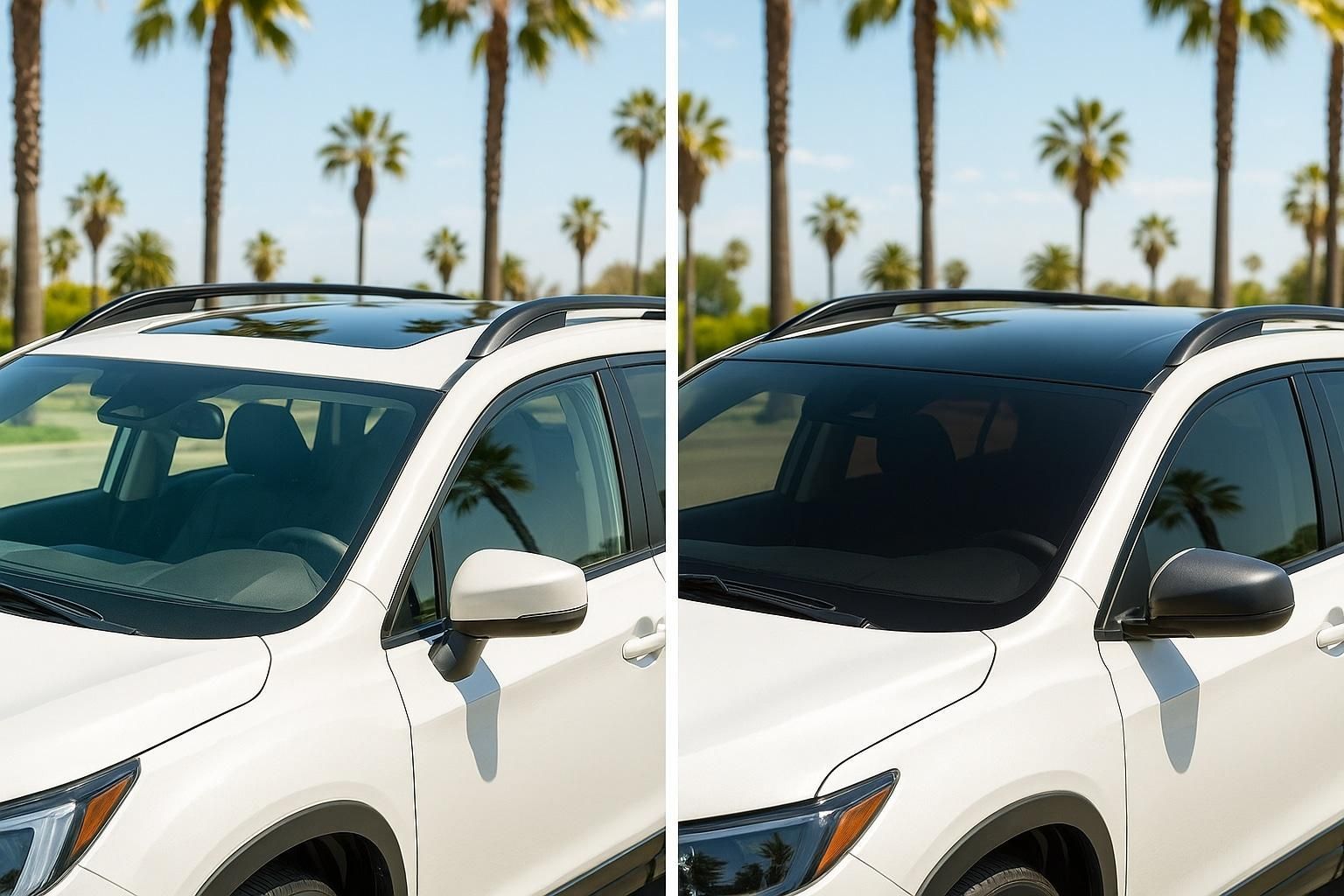
Ceramic film is the longest-lasting and best-performing choice for Florida heat. Nano-ceramic particles target infrared heat without metal or dye that fades, so the film keeps both its color and performance for many years.
LLumar CTX offers strong heat control with a clean, non-reflective look and no signal interference. LLumar IRX, the premium tier, can reject up to 62% of total solar energy depending on shade while blocking more than 99% of UV rays. For most Naples drivers who plan to keep their vehicle, ceramic tint can be a one-time investment instead of a recurring expense.
Clear Ceramic Film
Clear ceramic film like LLumar AIR adds heat and UV protection without darkening the glass. It's built with the same stable ceramic technology, so it holds up much like tinted ceramic films. It's a good choice for drivers who want protection over factory privacy glass or a lighter, legal look.

Signs Your Window Tint Is Reaching the End of Its Life
Even good tint eventually wears, especially on older vehicles or used cars with unknown film. Watch for:
- Purple or brown color: The dyes have broken down.
- Bubbles or blisters: The adhesive has lost its bond with the glass.
- Peeling or lifting edges: This shows up most often at the top of side windows.
- Haze, cloudiness or distortion: It's especially noticeable at night or in rain.
- A hotter cabin than before: The film is no longer rejecting heat well.
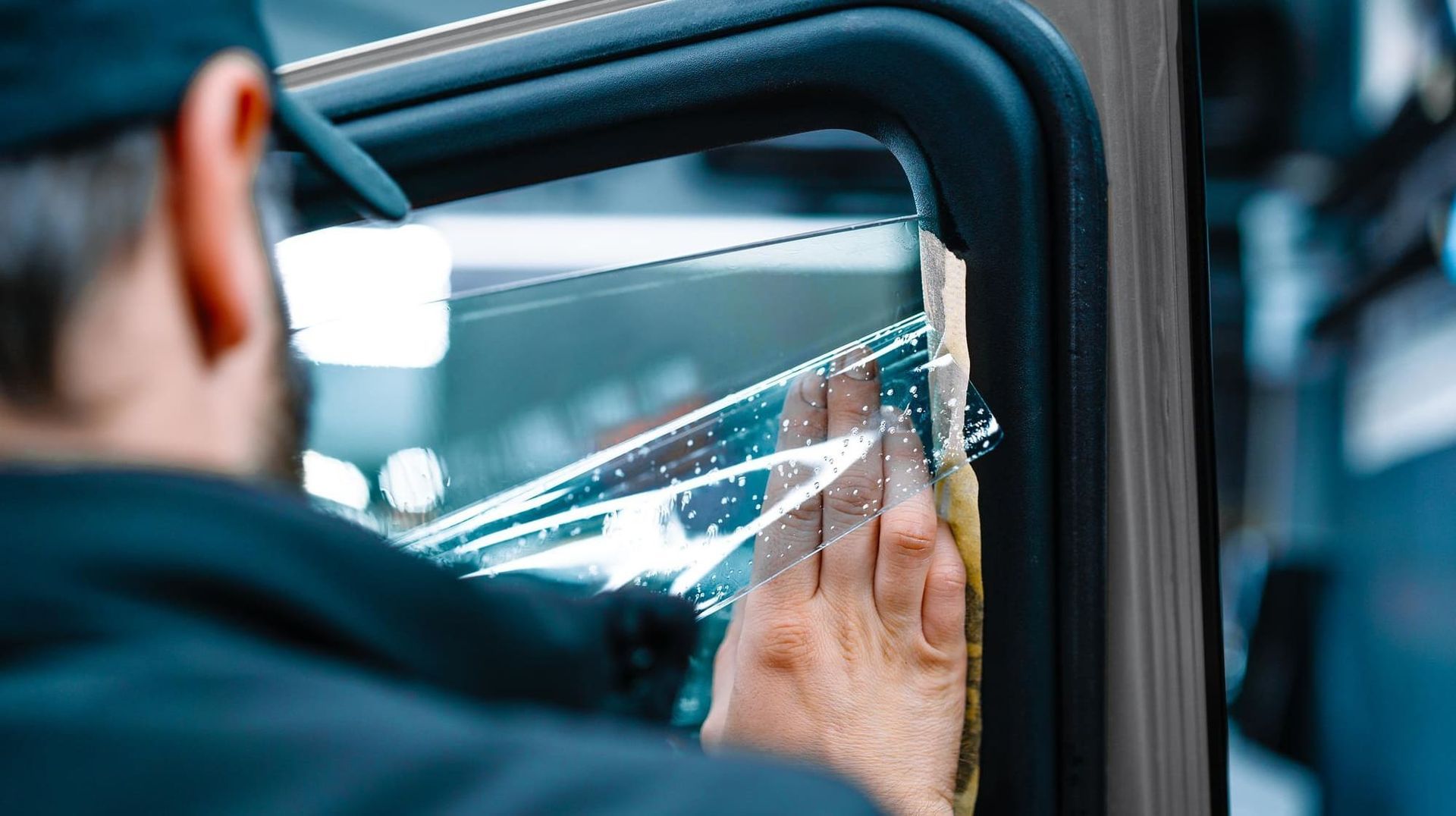
A caution for new installs: light haze, small moisture pockets or a slightly uneven look in the first several days can be normal while the film cures. These usually clear up as the leftover moisture evaporates. Problems that show up months or years later are a different story.
If you see these signs on older film, professional removal is the safest next step. Removal cost depends on the condition of the film and adhesive, and careful work protects your rear defroster lines
How to Make Your Window Tint Last Longer
You can't control the Florida sun, but you can control a lot of what happens after installation. These habits add real years to your tint:
- Respect the curing period. Keep windows rolled up for the time your installer recommends, usually several days. Rolling them down too early can disturb film edges before the adhesive bonds.
- Use ammonia-free cleaner. Ammonia-based glass cleaners can damage or discolor film over time.
- Clean with a soft microfiber cloth. Avoid paper towels, abrasive pads, razor blades and sharp tools on the tinted side.
- Watch seatbelts, rings and cargo. Buckles snapping against side glass and items loaded against rear windows can nick or scratch film.
- Park in shade when you can. Covered parking, garages and sunshades reduce daily heat and UV stress.
- Fix small problems early. A lifting corner is much easier to address than a peeling window.
- Keep your warranty paperwork. Manufacturer coverage depends on documentation, so store it with your vehicle records.
Is It Worth Paying More for Longer-Lasting Tint?
Think about tint cost per year rather than upfront price. A low-cost dyed film that has to be removed and replaced after a few years can end up costing more than one quality installation, especially once you add removal costs and time without a car.
| Factor | Budget Tint | Premium LLumar Ceramic |
|---|---|---|
| Upfront cost | Lower | Higher |
| Real-world lifespan in Florida | Often 2–5 years | 10+ years, often life of the vehicle |
| Color stability | Prone to purple fading | Designed to resist fading |
| Heat rejection over time | Low and declining | Strong and consistent |
| Signal interference | Usually none (metallized varies) | None |
| Warranty backing | Varies; may be shop-only | Lifetime limited manufacturer warranty on eligible films |
| Likely replacements over 10 years | One or more | Typically none |
Note: Darker doesn't mean longer-lasting or cooler. A lighter ceramic film can block more heat and outlast a darker dyed film. Choose film for its technology, not just its shade.
Keeping Long-Lasting Tint Legal in Florida
Long-lasting tint is only a good investment if it's legal. Florida measures your glass and film together:
| Window | Passenger Cars | Qualifying Multipurpose Vehicles |
|---|---|---|
| Front side windows | At least 28% VLT | At least 28% VLT |
| Rear side windows | At least 15% VLT | At least 6% VLT |
| Rear window | At least 15% VLT | At least 6% VLT |
| Front side reflectivity | No more than 25% | No more than 25% |
| Rear reflectivity | No more than 35% | No more than 35% |
The 6% rear limit applies only to vehicles that meet Florida's definition of a multipurpose passenger vehicle. Calling a vehicle an SUV or van doesn't automatically qualify it. Windshield tint is limited to a non-reflective strip above the AS-1 line, unless you hold a valid medical exemption. A knowledgeable installer will help you choose a shade that stays compliant for as long as the film lasts.
Frequently Asked Questions About Window Tint Lifespan
How long does ceramic window tint last?
Quality ceramic tint typically lasts 10 years or more and often lasts as long as you own the vehicle. Because it uses stable ceramic particles instead of fading dyes, it keeps its color and heat rejection far longer than budget films.
Why does cheap window tint turn purple?
Low-cost dyed films use dyes that break down under UV exposure. As the dye fails, the film shifts toward purple or brown and loses performance. Color-stable and ceramic films are designed to prevent this.
Does window tint last longer in a garage-kept car?
Yes. Less daily sun and heat means less stress on the film and adhesive. Covered parking or a windshield sunshade can noticeably extend tint life in Southwest Florida.
Does a lifetime warranty mean my tint will never fail?
No. A manufacturer's lifetime limited warranty covers specific defects, such as bubbling, peeling, cracking, adhesive failure and qualifying discoloration, if they occur. Terms vary by film and installation, so review your warranty details.
Is it normal for new tint to look hazy?
Yes, for a short time. Light haze or small moisture pockets during the first several days are often part of curing and typically clear up on their own.
Can old tint be removed and replaced?
Yes. Professional removal takes off old film and adhesive without damaging glass or rear defroster lines, so new film can be installed cleanly.
Get Window Tint Built to Last From Naples' Trusted Tint Shop
How long window tint lasts comes down to three things: the film, the installer and how it's cared for. Budget film may only last a few Florida summers, while professionally installed LLumar ceramic film can protect you for as long as you own your vehicle.
Enterprise Window Tinting has served Naples drivers since 1996 as a family-owned, authorized LLumar dealer. The team installs genuine LLumar IRX, CTX, ATC and AIR films with careful, vehicle-specific installation, and eligible films are backed by LLumar's lifetime limited manufacturer warranty. Many customers have brought their vehicles back for 10 to 20 years, and the shop specializes in Teslas. They'll recommend the right film for your priorities without pressuring you into features you don't need.
Ready for tint that lasts?
Call Enterprise Window Tinting at (239) 434-7774, visit 971 Airport-Pulling Rd N, Naples, FL 34104, or request a
free estimate online. They serve Naples, North Naples, Golden Gate, Marco Island, Bonita Springs and the rest of Collier County. Hablamos Español.