What’s the Best Windshield Tint for Heat and Glare?
In Naples and across Southwest Florida, the sun is not just bright, it is relentless. A quick drive down Tamiami Trail or a mid-day errand run can turn your vehicle into a heat trap, especially when the windshield is taking the full brunt of direct solar load. Cabin temperatures climb fast, your AC works harder, and hot surfaces like dashboards and steering wheels can become uncomfortable to touch. Over time, intense UV exposure can accelerate interior fading, cracking, and premature wear on leather, vinyl, and plastics. Then there is glare. Morning and late-afternoon sun angles can create harsh reflections and eye strain that make daily driving feel tiring and distracting.
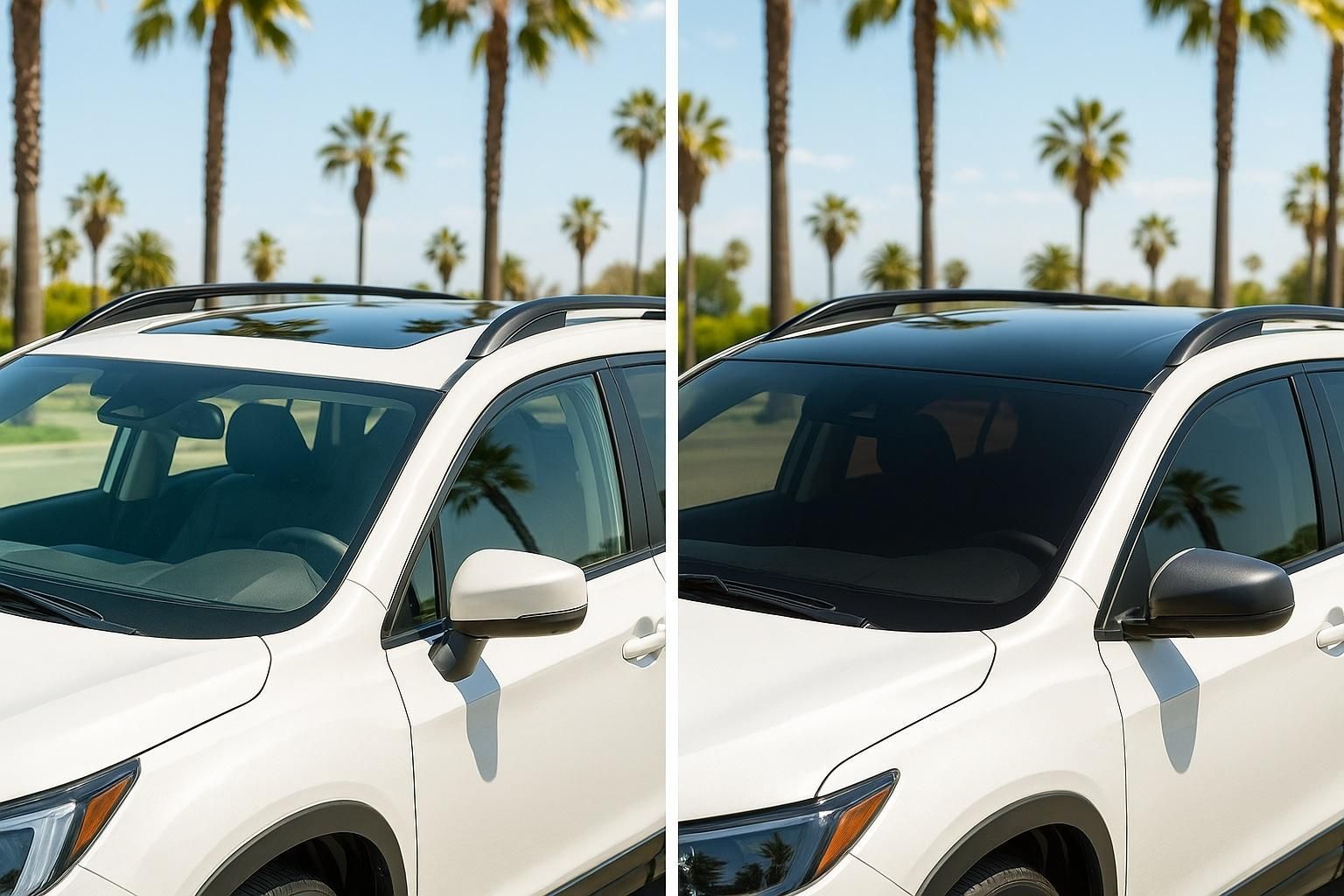
The good news is that windshield tint technology has evolved. Modern high-clarity ceramic windshield tint can dramatically reduce infrared heat and cut uncomfortable glare without making the glass excessively dark or compromising visibility. When installed correctly, the right film can help Naples drivers stay cooler, protect their interior, and drive more comfortably while staying compliant with Florida legal windshield tint requirements.

Table of Contents
- How Windshield Tint Differs From Side Window Tint
- Infrared Rejection vs Visible Light Transmission
- Florida Windshield Tint Laws and Legal Strip Rules
- Dyed vs Metallic vs Ceramic Windshield Films
- Why Ceramic Performs Best in Florida Heat
- Day and Night Visibility Safety Considerations
- Why Professional Installation Matters in Naples
- FAQ: Windshield Tint for Naples, FL Drivers
- Conclusion and Free Estimate CTA
How Windshield Tint Differs From Side Window Tint
Many people assume windshield tint is the same as standard side
window tint, just applied to different glass. The windshield is different in ways that directly impact film selection, clarity expectations, and legal compliance. If you are searching for the
best windshield tint Naples FL , it helps to start with why windshield film is a category of its own.
1) Windshield clarity standards are higher. You look through your windshield almost constantly, so even minor haze, distortion, or installation contamination becomes obvious. That is why windshield tint should be chosen for optical clarity, not just shade.
2) Windshields are laminated. Most windshields are laminated glass, meaning layers of glass are bonded with an inner interlayer for safety. This can influence reflections and how film appears, especially at night. High-quality films are engineered to preserve a clean view.
3) The windshield faces the strongest solar load. In Southwest Florida, direct sun hits the windshield at angles that can feel like a heat lamp. Even if your side windows are tinted, the windshield often remains the primary path for heat and glare. That is why windshield tint heat reduction Florida content focuses heavily on infrared control and glare comfort.
4) Technology zones are common. Many vehicles have ADAS camera housings, rain sensors, and dotted frit borders near the mirror. These areas require careful film handling and clean edges to avoid lifting, trapped debris, or visual artifacts.
5) Legal rules are stricter. Florida rules for the front windshield are not the same as side-window limits. The legal path typically centers on a compliant top strip plus high-clarity solutions designed to keep the main viewing area light.
Infrared Rejection vs Visible Light Transmission
If you want the best performance, you cannot judge a windshield film only by how dark it looks. Two specs matter most for comfort and compliance: infrared (IR) rejection and visible light transmission (VLT) . Understanding the difference helps you pick a film that reduces heat and glare while preserving safe visibility.
Visible Light Transmission (VLT) is the percentage of visible light that passes through the glass and film together. Higher VLT means a lighter look. Lower VLT means darker glass. VLT affects how bright the road scene looks, especially at dusk, during storms, or at night.
Infrared rejection describes how effectively a film blocks infrared energy that you feel as heat. This is the heart of infrared rejecting window tint . In Naples heat, strong IR control can make the cabin feel less harsh even when the windshield stays relatively light.
Glare reduction is related to visible light and reflections. Darker films can reduce glare more, but on a windshield, too-dark tint can reduce safety and increase legal risk. A better strategy is balancing high clarity and a safer VLT with strong IR rejection.
Quick reference table: how specs translate to real driving
| Spec | What it affects | Why Naples drivers care |
|---|---|---|
| VLT | Brightness and visibility | Maintains safe night visibility and rain clarity |
| IR rejection | Heat felt on skin and surfaces | Reduces heat soak, AC load, and hot dashboard effect |
| UV protection | Interior fading and skin exposure | Helps prevent cracking, fading, and premature wear |
| Optical clarity | Distortion, haze, and reflections | Improves comfort, sign readability, and driver confidence |
Practical takeaway: If you want strong windshield tint heat reduction Florida performance while keeping the windshield easy to see through, prioritize high IR rejection and optical clarity first. Then choose the safest VLT level that meets your comfort goals and matches Florida compliance needs.
Florida Windshield Tint Laws and Legal Strip Rules
Drivers often search Florida legal windshield tint because they want to be comfortable without getting pulled over or failing an inspection. Florida windshield rules focus heavily on visibility through the main viewing area. Most compliant solutions involve a properly placed top strip combined with a light, high-clarity film below it.
Important note: Tint regulations and enforcement can vary, and rules can change. This article is educational and not legal advice. For the most accurate guidance, confirm current Florida regulations and ask a professional installer to recommend a compliant setup for your vehicle.
What most drivers mean by a “legal windshield tint”
- Top strip tint: A band at the top of the windshield that helps cut high-angle sun glare.
- Main viewing area: Typically kept very light and clear for visibility and compliance.
- Medical exemptions: Some drivers may qualify for special allowances with proper documentation.
Florida legal windshield strip placement guide (visual checklist)
| Area | Goal | Common mistakes to avoid |
|---|---|---|
| Top strip | Block direct sun glare | Installing too low or uneven, creating visibility issues |
| Mirror and camera zone | Maintain clear sensor view | Dirty install around housing, lifting edges, trapped debris |
| Main viewing area | Keep safe brightness and clarity | Choosing a shade that feels fine in daylight but is risky at night |
Compliance mindset that works in Naples: When people ask for the best windshield tint Naples FL , the answer is rarely “darkest tint.” The safest and most effective solution is often a high-clarity ceramic film that targets infrared heat, paired with a properly placed legal strip for glare comfort.
Dyed vs Metallic vs Ceramic Windshield Films
Not all window films are built for windshield performance. If your goal is infrared
heat rejection, minimal glare strain, and high visibility, the film category matters as much as the shade. Here is how the main film types compare for windshield use.
Dyed films
- Strength: Lower cost and darker appearance for glare reduction.
- Limitation: Often relies on darkness rather than advanced IR control. On a windshield, that can push you toward unsafe or non-compliant choices.
Metallic films
- Strength: Can reflect heat effectively.
- Limitations: Can increase reflectivity and in some cases cause more internal reflections at night. Some metallic constructions can also raise signal concerns depending on the vehicle and film.
- Strength: Strong infrared rejecting window tint performance at lighter VLT levels, plus excellent clarity when you choose a premium product.
- Why it matters: Helps you stay comfortable without making the windshield look overly dark.
Comparison table: performance priorities for windshields
| Film type | Heat reduction potential | Glare comfort approach | Windshield clarity potential |
|---|---|---|---|
| Dyed | Low to moderate | More darkness | Variable |
| Metallic | Moderate to high | Reflective control | Can add reflections |
| Ceramic | High | IR control plus balanced VLT | High when premium |
For drivers focused on windshield tint heat reduction Florida and visibility, ceramic is typically the best match, especially when paired with a professional installation that keeps the film clean and distortion-free.

Why Ceramic Technology Performs Best in Florida Heat
Ceramic film has become the benchmark for drivers who want the best performance without sacrificing a natural view through the windshield. In Naples, where heat, humidity, and UV exposure are constant, ceramic films offer a combination of comfort and durability that entry-level films struggle to match.
1) Strong infrared heat rejection without heavy darkness
Southwest Florida heat is not just about brightness. It is about energy. Ceramic technology is designed to reduce infrared energy, which can lower the “sun on your skin” feeling during daytime driving. This is why ceramic is often the best answer to “best windshield tint Naples FL” when the priority is comfort.
2) UV protection that helps preserve interiors
UV exposure contributes to dashboard fading, leather drying, and cracking. A quality film can help reduce UV-related wear and extend the life of interior materials.
3) Optical clarity engineered for front-glass viewing
Windshield tint needs to look clean in bright sun, stormy conditions, and under streetlights at night. Premium ceramic films are built for a clear view, especially important on newer vehicles with advanced safety systems and high-resolution glass shapes.
4) A better fit for Florida compliance strategies
Because ceramic films can perform strongly at lighter shades, they align better with compliance-friendly approaches that keep the windshield bright and safe while still delivering meaningful heat reduction.
Where ENTERPRISE WINDOW TINTING fits in
ENTERPRISE WINDOW TINTING installs
LLumar Auto Window Tinting products engineered for superior infrared heat rejection, UV protection, and optical clarity designed specifically for Florida conditions. If you are looking for
LLumar windshield tint Naples , the goal is to match the right high-clarity film to your driving routine, glare sensitivity, and compliance needs.
Day and Night Visibility Safety Considerations
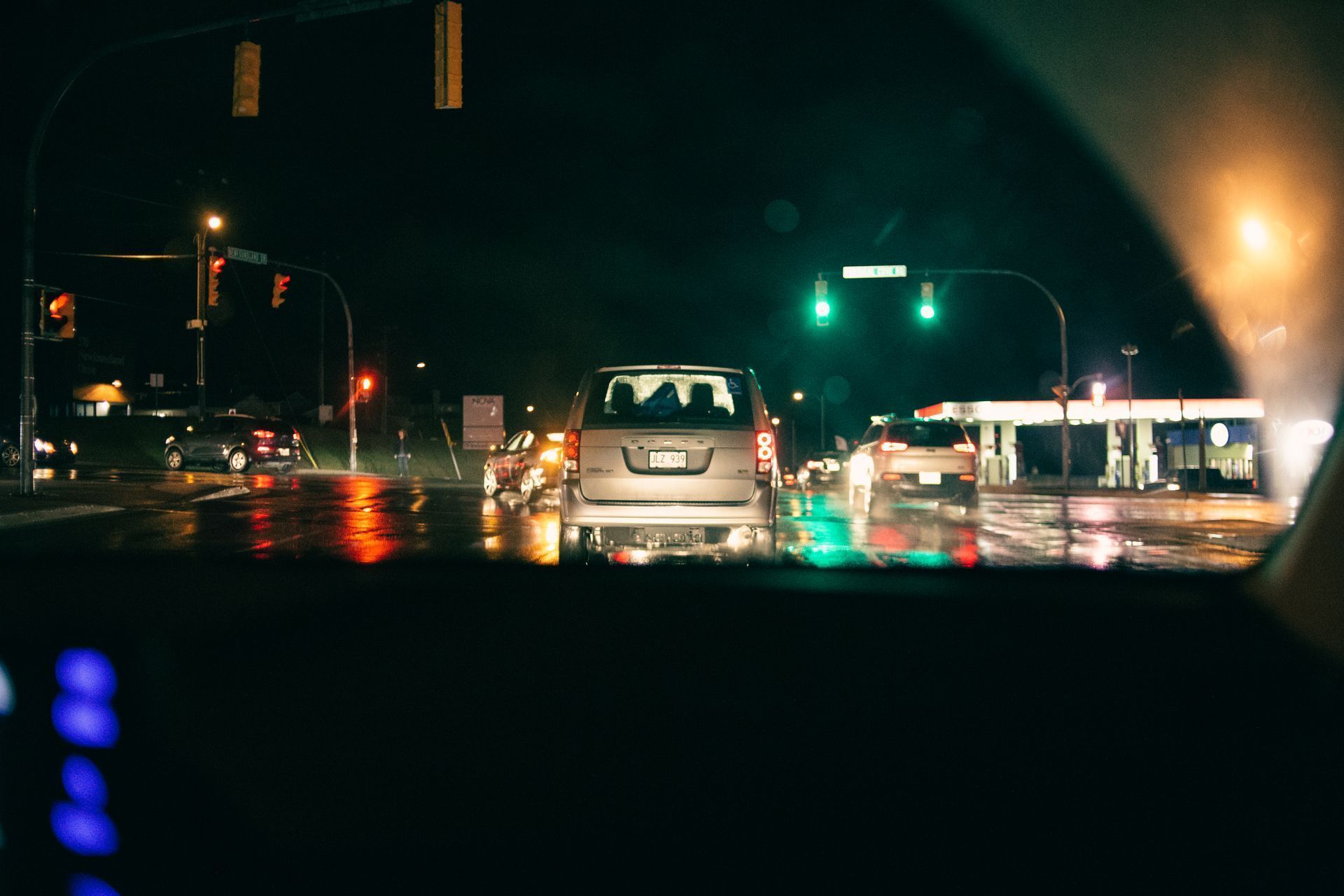
Heat and glare are real problems, but windshield tint should never create a visibility problem. The right solution makes driving more comfortable while keeping your view crisp in every condition Naples drivers face, including afternoon storms, early-morning glare, and
night driving on darker roads.
Daytime driving
- Glare reduction: A legal top strip can reduce direct sun glare, while a high-clarity ceramic film helps reduce strain and heat.
- Storm contrast: In heavy rain, too-dark film can reduce contrast and make lane markings harder to see. This is why many drivers choose lighter windshield solutions.
Night driving
- Headlights and reflections: Some films can increase internal reflections. Premium films and proper installation help minimize this.
- Your personal vision: If you have night glare sensitivity or mild astigmatism, keep the windshield film on the lighter side and rely on IR rejection for comfort.
ADAS compatibility
Many vehicles use windshield-mounted cameras and sensors for lane assist, adaptive cruise, and collision warning. A professional install is important to maintain a clean camera view and avoid contamination near sensor housings.
Rule of thumb: For most Naples drivers, the safest path is a compliance-minded setup that keeps the windshield bright and clear, while using ceramic technology to deliver the heat benefits you want.
Why Professional Installation Matters in Naples
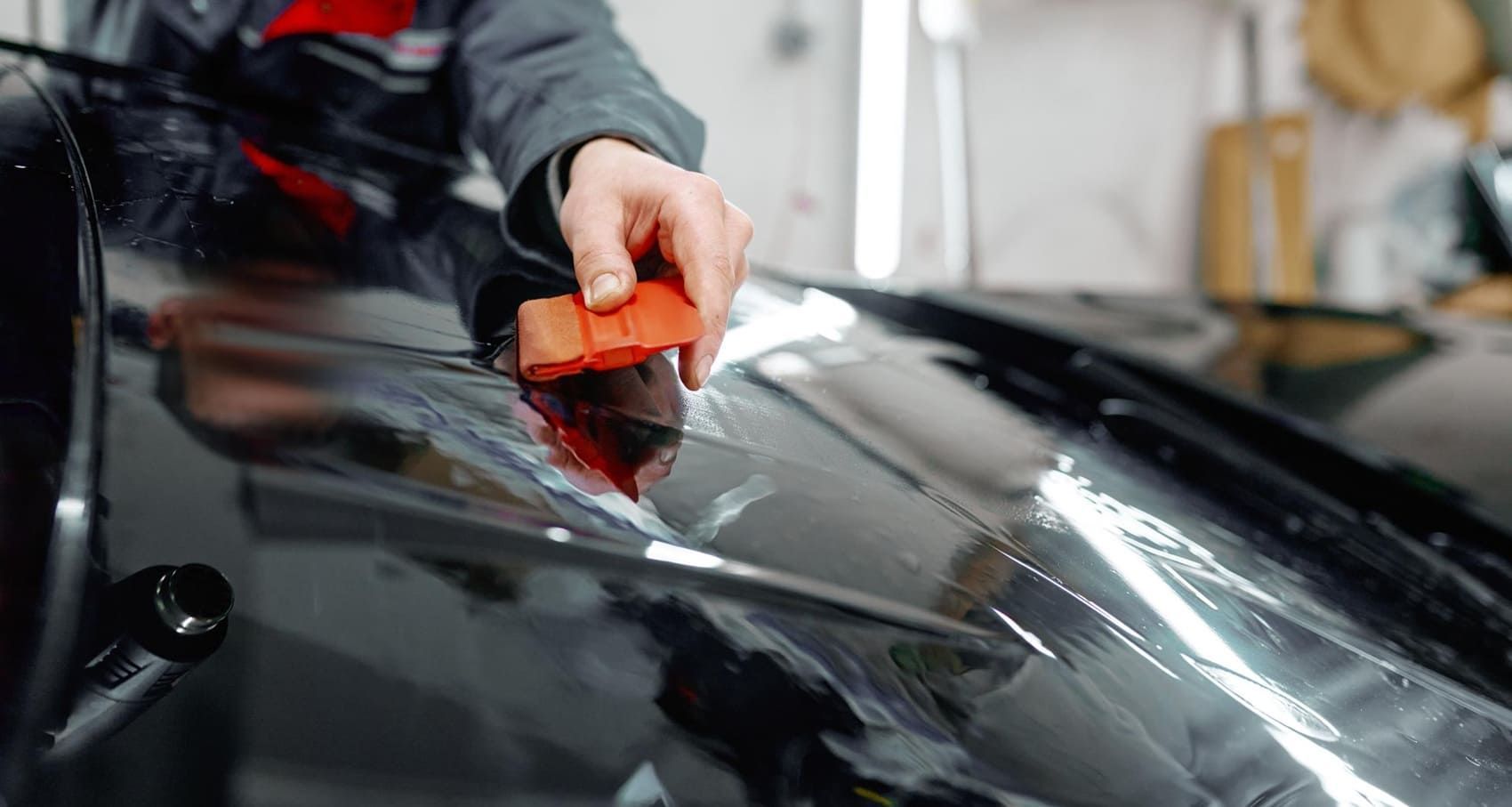
A windshield is one of the most challenging pieces of glass to tint. It is large, curved, and positioned in a way that highlights every speck of dust or trapped moisture. Professional installation is the difference between a film that looks crystal clear and one that distracts you every time you drive into the sun.
1) Clean prep prevents visible contamination
Even tiny particles can show up as bumps on a windshield. Professional prep methods and clean shop practices reduce the chance of contamination.
2) Correct film forming protects clarity
Windshield film must be shaped to the curve of the glass. Poor forming can create stress lines, distortion, or long-term lifting. A professional installer forms the film carefully for a smooth final look.
3) Edges and strip placement support compliance
Florida legal windshield tint strategies often rely on the strip being placed correctly. Professional installers know how to keep the strip even and aligned so it performs for glare without interfering with safe visibility.
4) Better long-term durability in coastal conditions
Naples heat, humidity, and coastal air can stress low-quality installs. A professional installation improves adhesion, curing, and overall longevity.
If you want the best windshield tint Naples FL result, the film matters, but the install is what makes it look right. ENTERPRISE WINDOW TINTING installs LLumar Auto Window Tinting products engineered for Florida heat, focusing on optical clarity, compliance-minded recommendations, and durable performance.
FAQ: Windshield Tint for Naples, FL Drivers
Is full windshield tint legal in Florida?
Florida windshield rules are strict, and most legal approaches focus on a top strip plus a very light, high-clarity film in the main viewing area. Verify current regulations and choose a compliance-minded approach.
What is the best shade for windshield glare control?
Glare reduction increases as VLT goes lower, but windshield darkness can reduce safety. Many drivers get the best balance with a legal strip for direct sun glare and a light ceramic film for heat comfort.
Can windshield tint still reduce heat if it is light?
Yes. High-quality ceramic films can provide strong infrared rejecting window tint performance at lighter VLT levels, which is ideal for Florida driving.
Is ceramic better than dyed film for a windshield?
For heat reduction and clarity, ceramic is typically better because it can reject infrared energy without relying on heavy darkness.
Will windshield tint interfere with ADAS cameras?
Most vehicles can be tinted safely when the film is installed cleanly and the camera view is not obstructed. Ask your installer to evaluate your camera and sensor zones.
Does windshield tint help reduce interior fading?
Yes. UV protection can help slow fading and cracking of dashboards and interior materials, which is valuable in Southwest Florida sun.
How long does ceramic windshield tint last in coastal climates?
Lifespan depends on film quality and installation. Premium films and professional installation typically deliver better durability and long-term appearance in Naples conditions.
Is metallic film a good option for the windshield?
Metallic films can reduce heat but may add reflectivity and internal reflections. Many drivers prefer ceramic for clarity and balanced performance.
What should I look for when comparing films?
Focus on IR rejection, UV protection, optical clarity, and a VLT level that supports safe day and night visibility. For Naples drivers, high-clarity ceramic is often the best starting point.
Why choose ENTERPRISE WINDOW TINTING in Naples, FL?
ENTERPRISE WINDOW TINTING installs LLumar Auto Window Tinting products engineered for superior infrared heat rejection, UV protection, and optical clarity designed specifically for Florida conditions. If you are searching for LLumar windshield tint Naples , you can get a recommendation tailored to your comfort goals and compliance needs.
Conclusion and Free Estimate CTA
For drivers in Naples, FL, windshield heat and glare are daily realities. The best solution is not simply a darker windshield. It is a smart, compliance-minded combination of high-clarity film technology and the right placement strategy. By focusing on windshield tint heat reduction Florida performance through infrared control, choosing a visibility-friendly VLT, and using a properly placed legal strip where appropriate, you can stay cooler, reduce eye strain, and protect your interior without compromising safety.
If you are ready to upgrade your comfort,
contact
ENTERPRISE WINDOW TINTING in
Naples, FL to get a
free estimate for professional installation of
LLumar Auto Window Tinting
tailored for Florida heat, glare, and compliance needs.