What Window Tint Blocks the Most Heat in Summer?
Naples and the rest of Southwest Florida do not get a short burst of summer heat. Drivers in North Naples, Marco Island, Bonita Springs, Fort Myers, and Immokalee deal with intense sun, high humidity, and long stretches of bright exposure that can make a parked vehicle feel unbearable within minutes. That is why so many people ask the same question: what window tint blocks the most heat in summer? The answer is not simply the darkest film. Not all window tint blocks heat equally, and the biggest factor in real comfort is infrared rejection, which is the part of the sun's energy that creates much of the heat you actually feel inside the cabin. For many Southwest Florida drivers, ceramic window tint can be a smart choice when maximum heat reduction is the priority. Still, the right film depends on your vehicle, your budget, and how much direct sun your car sees every day. Understanding those differences helps you choose tint that delivers lasting comfort and value.
Table of Contents
- How Window Tint Blocks Heat and Why Infrared Rejection Matters
- Why Heat Reduction Matters So Much in Southwest Florida
- Best Window Tint Options for Heat Reduction: LLumar IRX vs CTX vs ATR
- How Much Cooler a Tinted Car Interior Really Gets
- Choosing the Right Tint Shade and Film Series for Your Vehicle
- Additional Benefits of High Heat Rejecting Tint Beyond Comfort
- Why Professional Installation Affects Real World Heat Rejection Performance
- FAQ
How Window Tint Blocks Heat and Why Infrared Rejection Matters
Window tint blocks heat by reducing how much solar energy passes through your vehicle's glass. The most important point for drivers is this: the tint that blocks the most heat is not always the one that looks the darkest. If your goal is a cooler cabin, less intense sun on your skin, and faster recovery when the air conditioning starts, infrared rejection is one of the most important performance factors to understand.
Sunlight carries visible light, ultraviolet rays, and infrared energy. Visible light affects brightness. UV rays contribute to fading and skin exposure. Infrared energy is a major source of the heat you feel when sunlight pours through the windows. A heat rejection window film is engineered to reduce that energy before it builds up inside the car.
Why darker tint does not always mean cooler
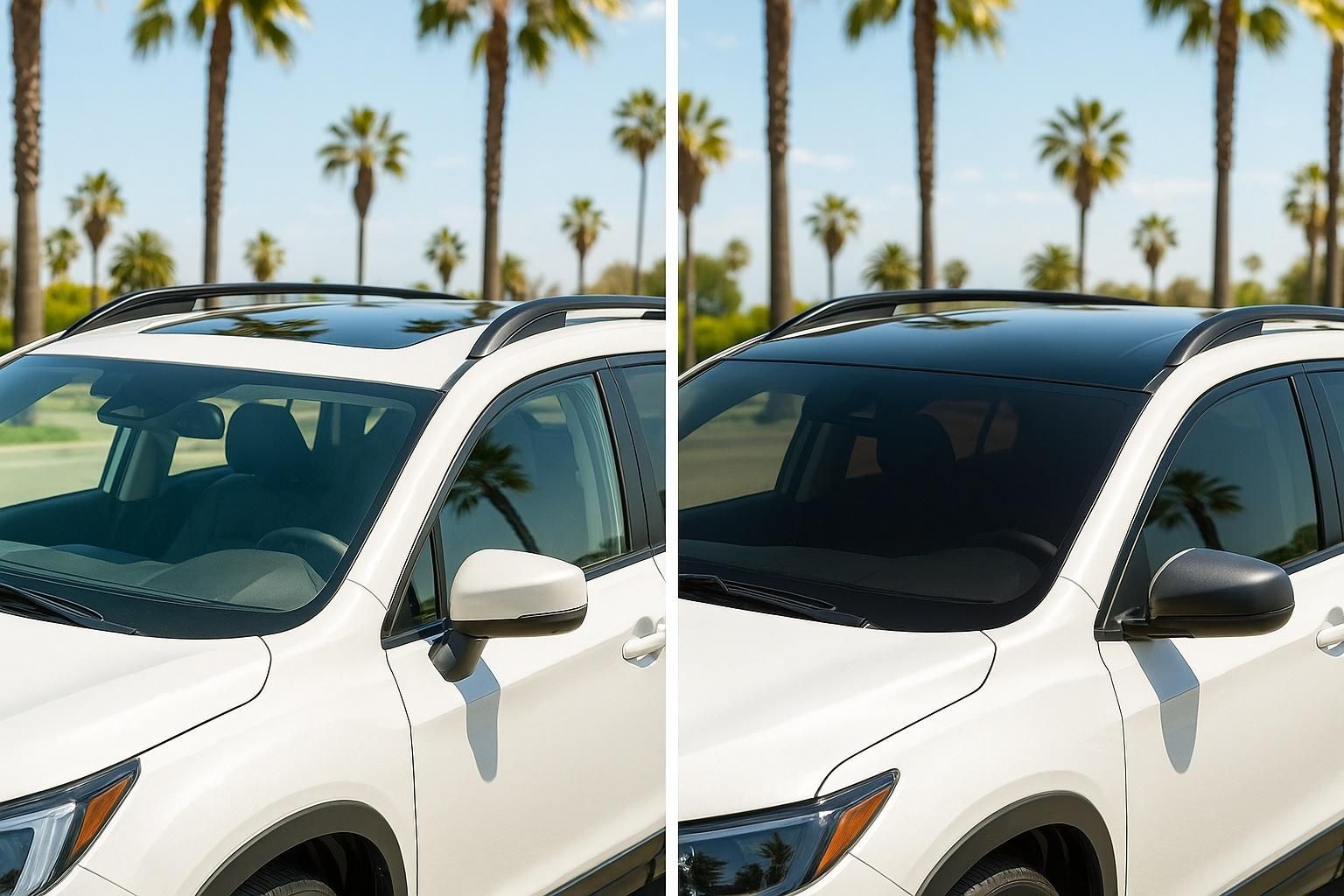
Many drivers assume a darker shade must block more heat. In reality, two films with similar appearance can perform very differently. A premium ceramic film can often reject far more heat than a darker entry level film because it is designed for thermal performance, not just privacy or glare reduction.
What performance ratings matter most
When comparing window tint that blocks the most heat, look at total heat rejection, infrared heat rejection, UV protection, and visible light transmission. Total heat rejection helps explain overall solar performance. Infrared rejection speaks more directly to comfort. UV protection matters for interior preservation. Visible light transmission tells you how light or dark the film appears.
For people researching the best window tint for heat, that means it is smart to focus on technology first and shade second. In hot Florida summers, that distinction matters every single day.
Why Heat Reduction Matters So Much in Southwest Florida
Heat reduction matters more in Naples and surrounding areas because the climate is both sunny and humid for much of the year. Even outside the traditional summer season, Southwest Florida drivers often park in open lots, drive along reflective roads, and deal with strong direct sunlight that rapidly raises interior temperatures.
In a parked car, solar energy moves through the glass and gets trapped in the cabin. Seats, dashboards, steering wheels, and center consoles absorb that heat and hold it. The result is a car that can feel punishing even after a short stop. Once you start driving, the air conditioner still has to work harder to overcome the temperature buildup.
Why local driving conditions increase the problem
Naples, Collier County, and Lee County drivers often spend time in beach parking lots, retail centers, school pickup lines, and open residential driveways with little shade. Vehicles used for commuting, family transportation, and service work may sit in direct sun for hours at a time. That makes window tint for hot Florida summers more than a cosmetic choice. It becomes a comfort and usability upgrade.
Humidity makes the heat feel worse
Humidity does not just make outdoor air feel sticky. It also makes it harder for your body to cool down efficiently. That means stepping into a superheated vehicle can feel even more oppressive. Reducing radiant heat from the windows can make the cabin feel less harsh and help the AC catch up faster.
For Southwest Florida drivers, the real value of heat rejecting tint is that it helps reduce the daily burden of sun exposure, not just the occasional extreme day.
Best Window Tint Options for Heat Reduction: LLumar IRX vs CTX vs ATR
If you want the best window tint for heat in a vehicle, the main difference usually comes down to film technology. LLumar offers several respected automotive film lines, but they do not all deliver the same level of heat performance. For drivers who care most about comfort, premium ceramic film is often the strongest option.
LLumar IRX Series
LLumar IRX Series is typically the premium choice for drivers who want very strong infrared heat rejection, excellent clarity, no signal interference, and long term durability. For many people researching ceramic window tint Naples options, IRX stands out because it is designed to prioritize heat control in demanding climates.
LLumar CTX Series
LLumar CTX Series is also a ceramic film and can be an excellent option for drivers who want strong performance and premium quality at a somewhat more accessible price point. It offers meaningful heat rejection and UV protection while preserving electronic signal compatibility.
LLumar ATR Series
LLumar ATR Series is a dyed metallic style film often selected for appearance, glare reduction, and solid all around value. It can improve comfort, but it generally does not match the heat performance of top ceramic films like IRX or CTX when Southwest Florida sun exposure is intense and prolonged.
LLumar series comparison table
| Film Series | Total Heat Rejection Percentage | Infrared Heat Rejection | UV Protection | Visible Light Transmission Options | Signal Interference | Fade and Discoloration Resistance | Typical Price Point |
|---|---|---|---|---|---|---|---|
| LLumar IRX Series | High to Very High | Very High | Excellent | Multiple shade options from lighter to darker | No | Excellent | Premium |
| LLumar CTX Series | High | High | Excellent | Multiple shade options | No | Excellent | Upper midrange to premium |
| LLumar ATR Series | Moderate | Moderate | Very Good | Several common automotive shade options | Possible slight interference depending on setup | Good | Midrange |
For Enterprise Window Tinting customers, LLumar is positioned naturally as a premium solution because it combines strong heat rejection, durability, UV protection, and a lifetime warranty. That makes it a logical fit for Southwest Florida drivers who want performance that lasts rather than a basic film that only changes appearance.
Ceramic tint versus standard dyed tint in hot, humid climates
| Feature | Ceramic Tint | Standard Dyed Tint |
|---|---|---|
| Heat performance in Florida sun | Strong to very strong heat reduction | Low to moderate heat reduction |
| Infrared rejection | High | Low |
| Cabin comfort during peak sun | Noticeably better | Improved, but more limited |
| Signal interference | No | No |
| Long term color stability | Excellent | More likely to fade over time |
| Typical cost | Higher upfront investment | Lower upfront investment |
If your main goal is window tint that blocks the most heat, ceramic technology usually wins that comparison for Florida drivers.
How Much Cooler a Tinted Car Interior Really Gets
The honest answer is that tinted windows do not create one universal temperature drop for every vehicle. Results depend on the film series, shade, windshield coverage, interior color, vehicle size, parking direction, and how long the car sits in direct sunlight. Still, premium heat rejection window film can create a noticeable improvement that drivers feel quickly.
What most drivers notice first
The first difference is usually less intense radiant heat. Your arms, hands, and face do not feel as scorched when sunlight hits the side windows. Seats and steering wheels may still get warm, but the interior often feels less punishing overall. Once the vehicle is started, the air conditioner can recover faster because the cabin has been taking on less solar heat.
What tint can and cannot do
Window tint does not eliminate heat completely. A car parked for hours in Naples sun will still get hot. But premium film helps slow heat gain, reduce harsh solar load, and make the vehicle more manageable when you get back in. That practical difference is often what makes drivers feel the investment was worthwhile.
Many people asking how much cooler tinted windows actually make a car are really asking whether the comfort change is obvious in daily life. In Southwest Florida, the answer is generally yes, especially when moving from a basic film or untinted glass to a premium ceramic product.
Choosing the Right Tint Shade and Film Series for Your Vehicle
Choosing the right film is about matching performance, legal compliance, appearance, and budget. The best window tint for heat is not always the darkest or most expensive option. It is the one that fits how you use your vehicle and how much sun exposure it faces.
Start with heat goals, not darkness alone
If comfort is your main concern, look for stronger infrared rejection and total heat rejection before deciding on shade. A lighter ceramic film may outperform a darker non ceramic film for real world cabin comfort.
Consider your daily parking habits
A vehicle that spends most of the day in a garage may not need the same level of heat performance as one parked outside at work, on job sites, or near the beach. Drivers in North Naples, Marco Island, Bonita Springs, Fort Myers, and Immokalee often have very different exposure patterns, so the best choice is not always the same for everyone.
Think about visibility and legal limits
Florida tint laws matter, and safe visibility matters just as much. Some drivers want a darker appearance, while others prefer a cleaner, lighter look with strong performance. Premium ceramic film gives more flexibility because it can provide substantial heat reduction across multiple shade levels.
That is one reason LLumar IRX Series and CTX Series are appealing for vehicle owners who want advanced heat control without having to rely on maximum darkness to get better comfort.
Additional Benefits of High Heat Rejecting Tint Beyond Comfort
Comfort is the main reason many people search for ceramic window tint Naples services, but it is not the only benefit. High performance tint can improve the driving experience in several practical ways.
Better UV protection for interiors
Quality automotive film can help reduce UV exposure inside the vehicle, which supports protection for dashboards, leather, vinyl, trim, and upholstery. In Florida's climate, that matters because daily sun exposure can gradually wear down interior surfaces.
Less glare while driving
Glare reduction is especially useful on bright roads, near the coast, and during early morning or late afternoon drives. Less glare can improve visual comfort and reduce eye strain without changing the function of the vehicle.
Potentially less strain on the AC system
Window tint does not replace air conditioning, but by reducing solar heat load it can help the cabin cool more efficiently once the system is running. For drivers who spend a lot of time on the road, that can make everyday trips more pleasant.
Long term value
Premium film often costs more upfront, but the combination of better heat rejection, stronger durability, clearer appearance over time, and warranty support can make it the better long term value. For Enterprise Window Tinting, LLumar products align well with that message because they are associated with proven UV protection and lifetime warranty coverage.
Why Professional Installation Affects Real World Heat Rejection Performance
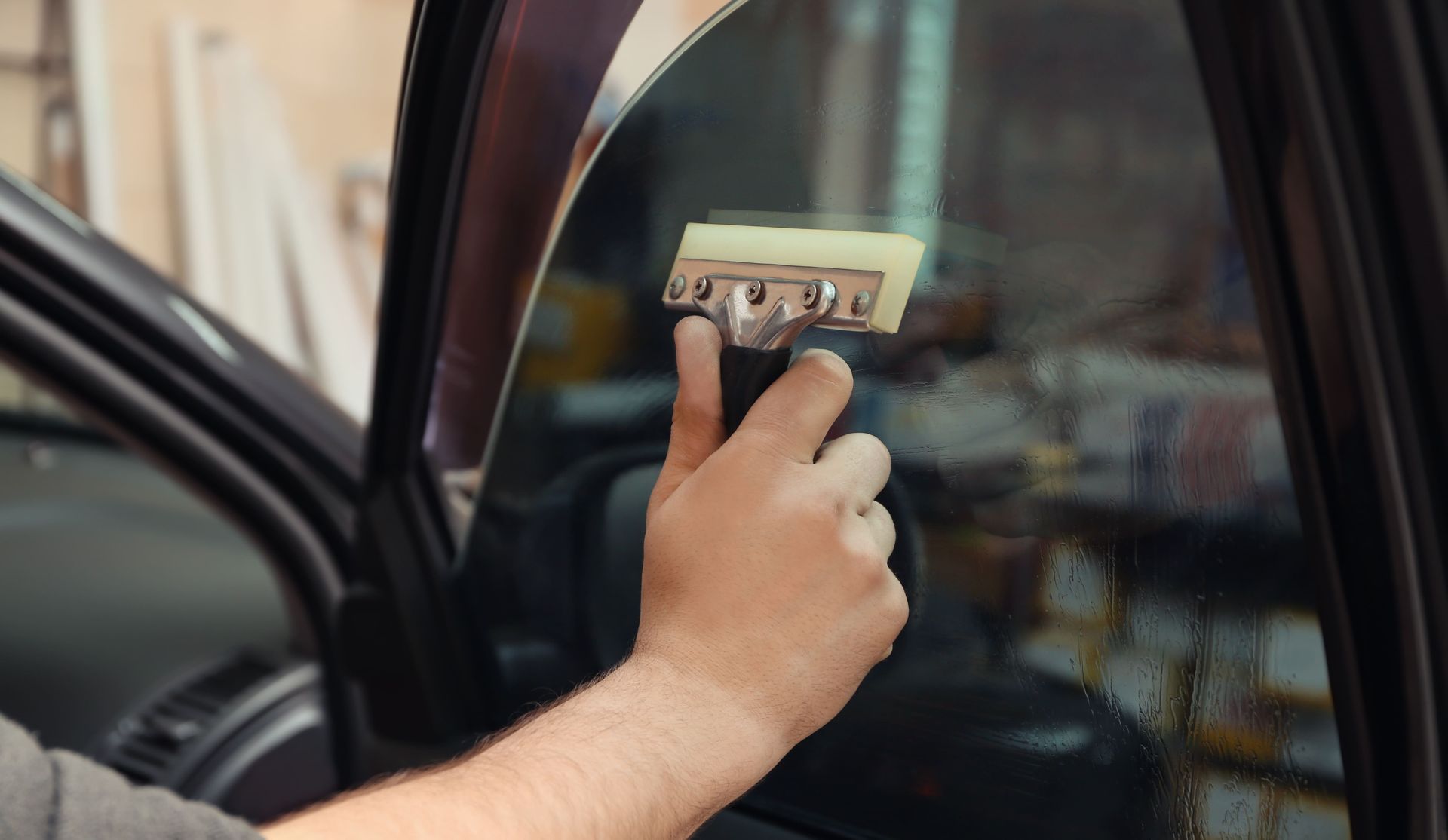
Even the best heat rejection window film can disappoint if it is poorly installed. Real world performance depends on both the product and the quality of the installation. A professionally installed film is more likely to deliver the clarity, fit, and long term durability that drivers expect.
Why fit and finish matter
Contamination, peeling edges, poor trimming, and inconsistent application can affect both appearance and longevity. While the film technology determines theoretical performance, proper installation helps ensure the product actually performs the way it should across the full glass surface.
Why product guidance matters
An experienced installer can help drivers compare LLumar IRX Series, CTX Series, and ATR Series based on budget, vehicle style, tint law considerations, and comfort goals. That advice matters because the best film on paper is not always the best fit for the specific driver.
Why local experience helps in Southwest Florida
Installers who work in Collier County and Lee County understand the challenges of coastal sun, humidity, high mileage commuting, and long outdoor parking periods. That local experience can help drivers choose a film that performs well not just on the first day, but for years.
FAQ: Window Tint That Blocks the Most Heat
What window tint blocks the most heat in summer?
Premium ceramic tint is often the top choice for maximum heat reduction because it is designed to reject more infrared energy than basic films.
How much heat can window tint actually block?
It depends on the film series and glass coverage, but high performance films can reject a significant amount of solar heat and create a noticeable comfort improvement.
Does darker tint always mean better heat reduction?
No. Darkness mainly affects visible light and glare. Heat performance depends more on film technology, especially infrared rejection.
Which LLumar series blocks the most heat?
For many drivers, LLumar IRX Series is the strongest option among the listed lines when maximum heat rejection is the main priority.
Is ceramic tint worth the extra cost for heat reduction?
For many Southwest Florida drivers, yes. The improved comfort, better infrared rejection, and long term durability often justify the higher upfront price.
How much cooler will my car feel with premium tint?
Most drivers notice less intense radiant heat, quicker cabin recovery after startup, and a more manageable interior during sunny days.
Does window tint help the air conditioner work better?
It can help by reducing solar heat load, which means the AC has less heat to remove once the vehicle is running.
Can window tint protect my dashboard and seats from sun damage?
Yes. Quality film offers strong UV protection that can help reduce fading and wear on interior materials over time.
Is ceramic tint better than dyed tint in Florida?
Yes for heat performance. Ceramic film usually provides stronger heat rejection and better long term stability than standard dyed tint.
Will tint interfere with GPS, radio, or cell signals?
Ceramic films like LLumar IRX and CTX are designed to avoid signal interference. Some non ceramic constructions may vary.
How long does heat rejecting window film last in Florida?
Premium film installed professionally can last for many years, especially when backed by a lifetime warranty.
What are the legal tint darkness limits in Florida?
Florida has specific automotive tint laws that vary by window location, so drivers should confirm legal compliance before choosing shade levels.
Does professional installation affect heat rejection performance?
Yes. Clean application, full coverage, and proper fit all help the film deliver the appearance and long term performance you expect.
How soon will I notice the heat reduction after installation?
Most drivers notice it right away when entering or driving the vehicle in direct sun, even though the film may still need time to cure fully.
Is window tint a good investment for hot Florida summers?
For drivers in Naples, Collier County, and Lee County, premium heat rejection tint is often a worthwhile investment because the comfort benefits are used almost every day.
Conclusion: The Best Window Tint for Heat in Southwest Florida
If you are trying to choose the window tint that blocks the most heat, the clearest answer for many Southwest Florida drivers is premium ceramic film. In practical terms, LLumar IRX Series is often the strongest choice when maximum heat rejection is the goal, while LLumar CTX Series offers another high quality ceramic option with excellent performance and value. LLumar ATR Series can still improve comfort and appearance, but it is generally a step below top ceramic films for the toughest Naples summer conditions.
For drivers in Naples, North Naples, Marco Island, Bonita Springs, Fort Myers, and Immokalee, the right film depends on your vehicle, your shade preference, your budget, and how much direct sun exposure you face every day. The long term value of premium ceramic tint comes from better comfort, strong UV protection, lasting appearance, and dependable durability. If you want a cooler ride and a smarter solution for Florida heat, contact Enterprise Window Tinting for a free estimate using LLumar tint products.