What's the Best Window Tint Percentage for Night Driving?
Tinted windows look great and cut Florida's brutal daytime glare, but a lot of drivers around Naples, Marco Island, and Collier County don't think about how that same tint performs after sundown until they're squinting at a dark road wondering if their windows are part of the problem. The truth is that tint percentage matters a lot for night driving, and choosing the wrong VLT (Visible Light Transmission) level can genuinely affect how well you see at night.
Enterprise Window Tinting has been installing auto tint in Naples since 1996 and has completed more than 200,000 installations, giving them a clear, experience-backed answer on what tint percentage actually works best once the sun goes down.
What Tint Percentage (VLT) Actually Means
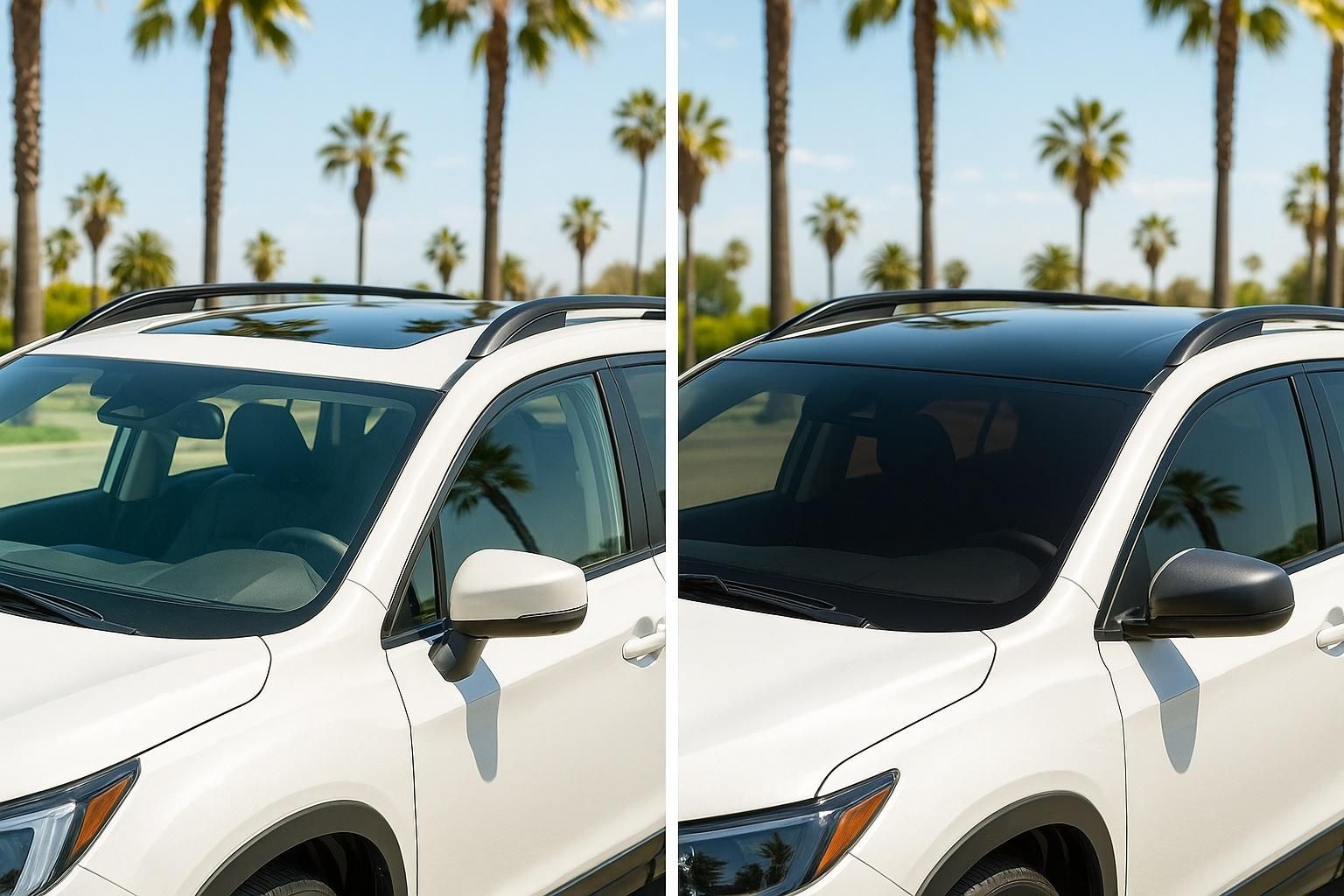
VLT stands for Visible Light Transmission, and it measures the percentage of visible light that passes through a window film. A 5% VLT film (sometimes called "limo tint") lets through only 5% of visible light and looks nearly black, while a 50% VLT film is much lighter and allows significantly more light through. The lower the number, the darker the tint, and the less light, day or night, makes it into the cabin.
How Tint Darkness Affects Night Visibility
Why Darker Isn't Always Better After Dark
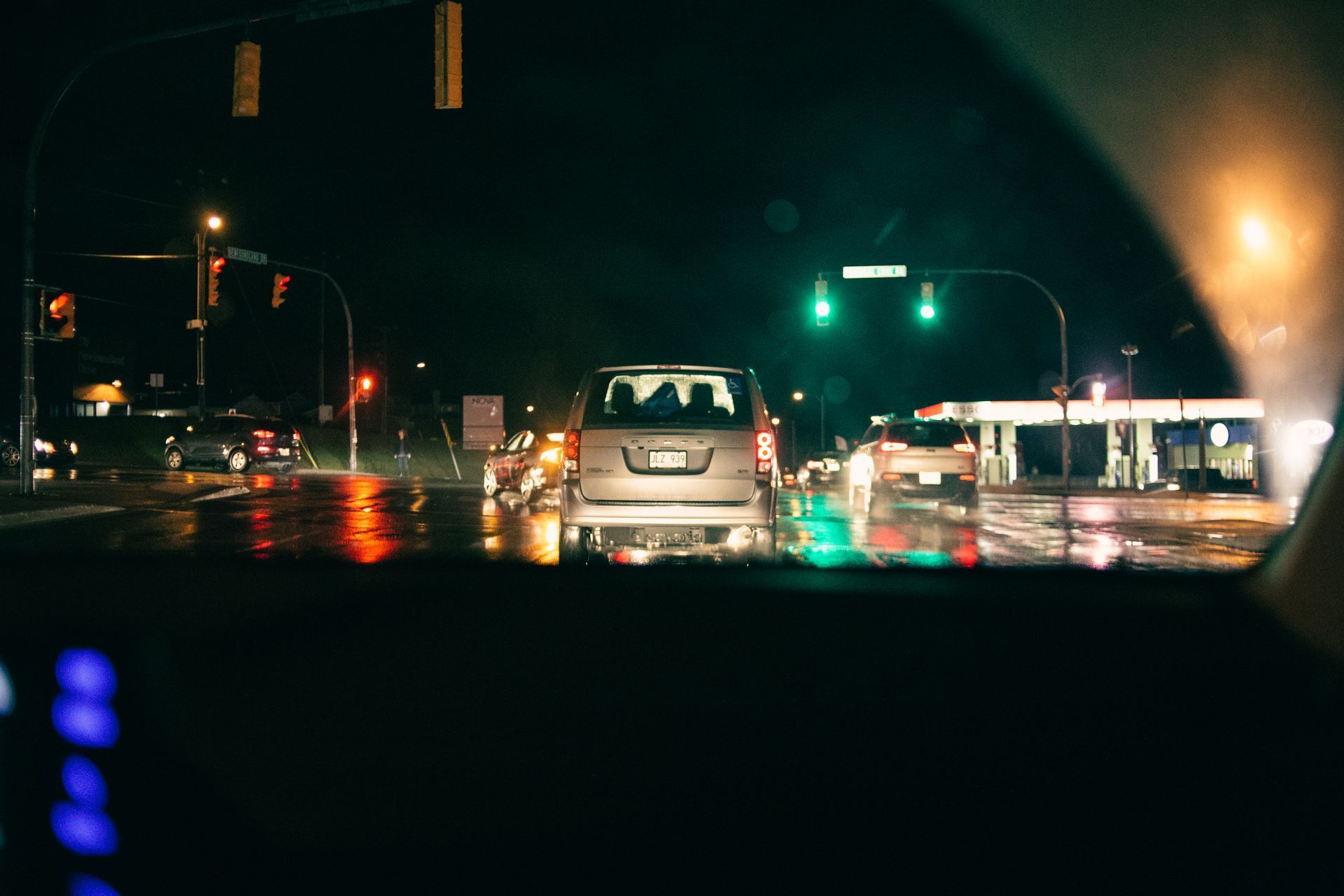
During the day, darker tint helps by blocking excess sunlight and glare. At night, there's far less ambient light to begin with, so a very dark tint can noticeably reduce how much of that limited light reaches your eyes, making it harder to see pedestrians, road signs, and lane markings in poorly lit areas.
The Sweet Spot: Moderate Tint Levels
For most drivers, a mid-range VLT, generally in the 20-35% range depending on the vehicle and personal preference, strikes the best balance. It's dark enough to meaningfully reduce daytime heat, UV exposure, and glare, while still allowing enough light transmission to maintain strong visibility once the sun sets.
When Very Dark Tint Becomes a Real Concern
Extremely dark films, especially those below 15% VLT on front windows, can create real visibility challenges at night, particularly in areas with limited street lighting like some stretches around Golden Gate Estates or Immokalee. Combined with oncoming headlight glare and Florida's frequent rain and fog, very dark front tint can compound the difficulty of seeing clearly after dark.
Florida's Legal VLT Limits (And Why They Matter for Night Driving)
Florida law sets minimum VLT requirements specifically because visibility, day and night, is a safety issue, not just an aesthetic preference.
Sedans
- Front side windows: at least 28% VLT
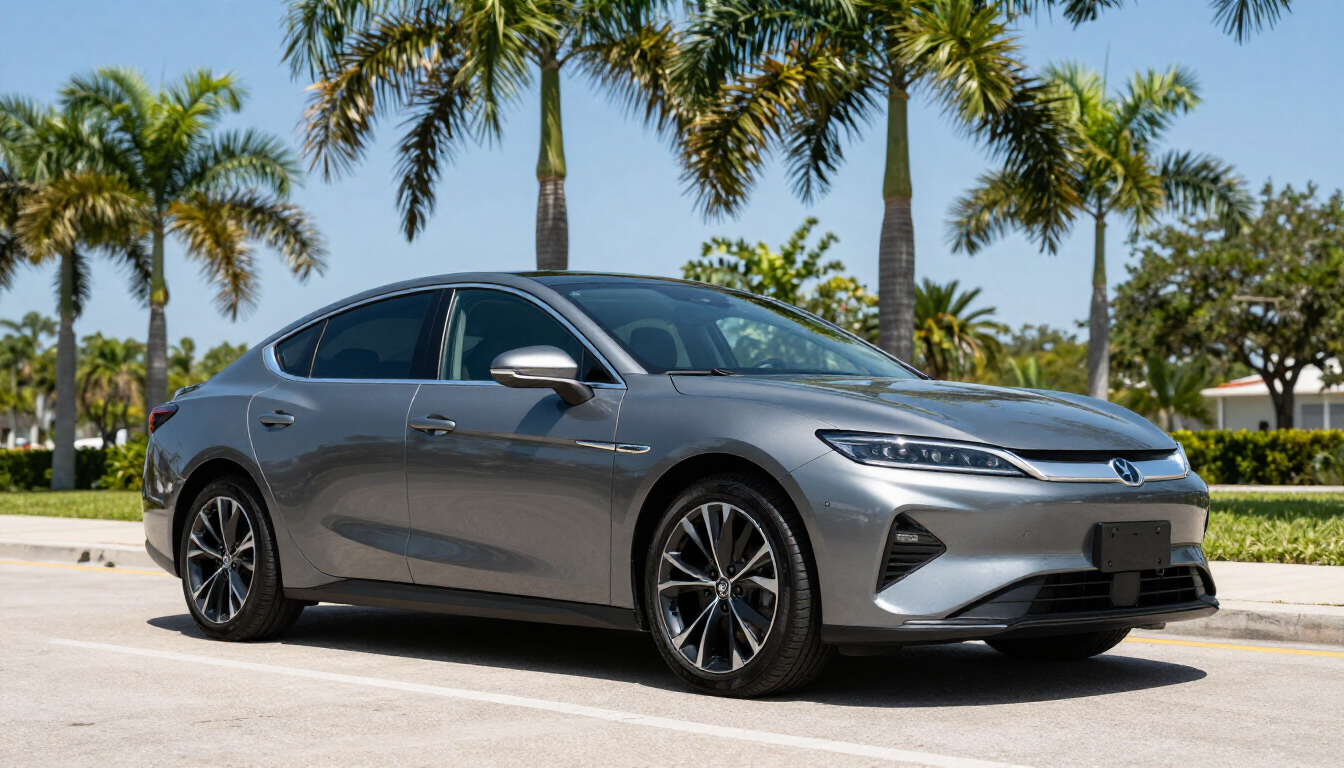
- Back side and rear windows: at least 15% VLT
SUVs, Vans, and Trucks
- Front side windows: at least 28% VLT
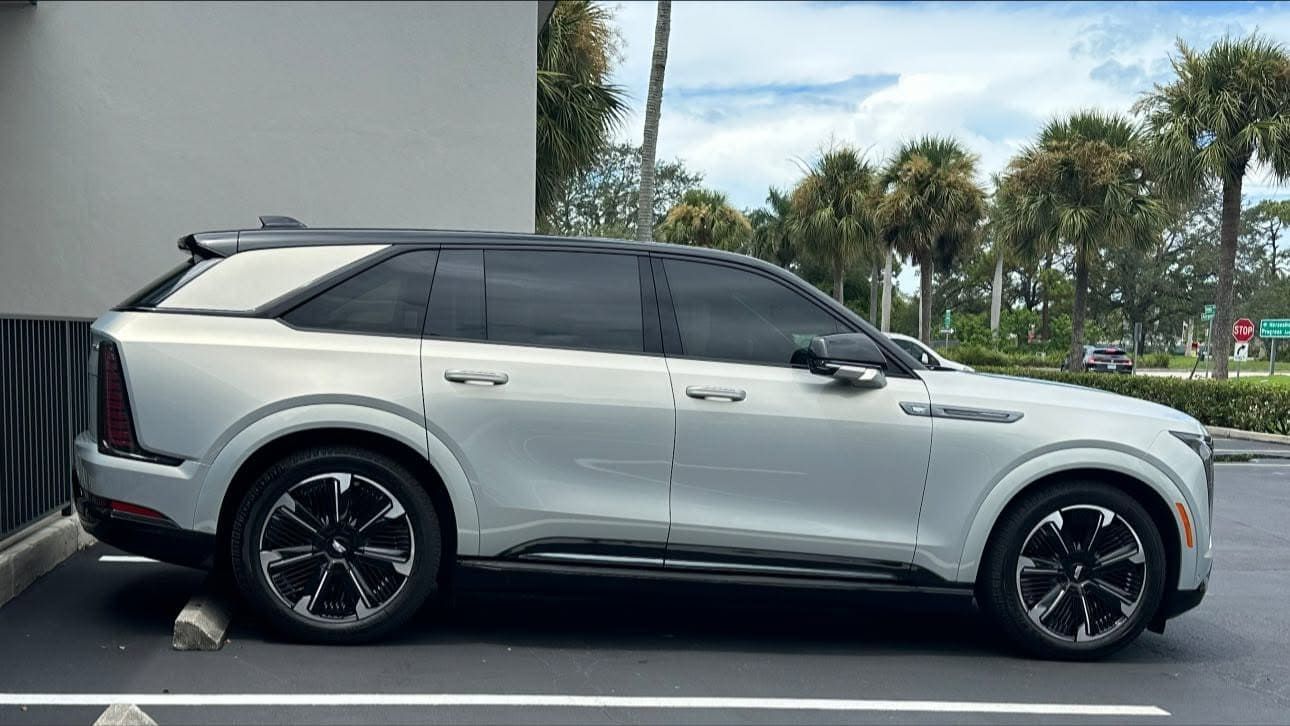
- Back side and rear windows: at least 6% VLT
Additional Rules
Florida also limits reflectivity to 25% on front side windows and 35% on rear side windows, and prohibits red, amber, and blue tint colors. These limits exist in part because excessively dark or reflective film can meaningfully impair a driver's ability to see clearly, which becomes even more pronounced at night.
Staying within these legal limits isn't just about avoiding a ticket, it's a genuine safety baseline for maintaining visibility after dark.
Does Film Type Affect Night Visibility Too?
Tint percentage isn't the only factor. The type of film matters as well.
Ceramic Film's Night Driving Advantage
Ceramic window tint is widely considered the best option for night driving among common film types. Because it uses non-metallic particles rather than dark dye to control heat, ceramic film can achieve strong daytime heat and UV rejection at a lighter VLT than dyed film would need to achieve the same comfort level, meaning you don't have to go as dark to get effective performance, which helps preserve nighttime clarity.
Why Dyed and Older Metalized Film Can Be Worse at Night
Dyed film often needs to be darker to achieve similar heat reduction, which can compound night visibility issues. Older or lower-quality film can also develop a hazy, uneven appearance over time that scatters light unevenly, an effect that's more noticeable and disorienting in low-light conditions than in daylight.
Recommended VLT Ranges by Driving Situation
| Driving Situation | Recommended VLT Range | Why |
|---|---|---|
| Frequent night driving (commuters, rural roads) | 30-35% (front), staying within legal limits | Preserves visibility while still reducing daytime glare |
| Mixed day/night driving | 20-28% (front, at legal minimum or slightly above) | Balances comfort and nighttime clarity |
| Mostly daytime driving, minimal night driving | Can go darker within legal limits on rear/back windows | Prioritizes heat and glare reduction since night visibility is less of a factor |
| Areas with poor street lighting (rural Collier County) | Lighter end of legal range | Reduces added visibility strain in low-light environments |
Tips for Choosing the Right Tint If You Drive at Night Often
Be Honest About Your Driving Habits
If you regularly drive at night, whether for work, long commutes between Naples and Fort Myers, or evening errands, it's worth prioritizing visibility over maximum darkness when choosing your front window tint percentage.
Choose Ceramic Film When Possible
Since ceramic film delivers strong heat and UV performance at lighter VLT levels, it lets you stay closer to the more visibility-friendly end of the tint spectrum without sacrificing daytime comfort.
Stay Within Florida's Legal Front Window Minimum
The 28% VLT minimum on front side windows isn't arbitrary, it's calibrated to preserve safe visibility. Going right at or slightly above that legal minimum is often the smartest choice for drivers concerned about night driving.
Get a Professional Consultation
An experienced installer can walk you through how different VLT percentages will look and perform on your specific vehicle, and help you land on a shade that fits both your daytime comfort goals and your nighttime visibility needs.
Frequently Asked Questions
What's the best tint percentage for night driving?
Most drivers who frequently drive at night do best with a tint in the 28-35% VLT range on front windows, dark enough to reduce daytime glare and heat, but light enough to maintain strong visibility after dark.
Does dark tint make it harder to see at night?
Yes, especially tint below 15% VLT on front windows. Very dark film reduces the already limited ambient light available at night, which can make it harder to see pedestrians, signage, and road markings in poorly lit areas.
Is ceramic tint better for night driving than dyed tint?
Generally yes. Ceramic film delivers strong heat and UV rejection at lighter VLT levels than dyed film requires, meaning you can get effective daytime performance without going as dark, which helps preserve night visibility.
What is Florida's legal tint percentage for front windows?
Florida requires front side windows to allow at least 28% VLT for all vehicle types, a limit set in part to help maintain adequate visibility for the driver.
Can I get darker tint on my rear windows without affecting night driving safety?
Yes. Since rear and back windows aren't your primary field of view while driving, going darker there (within legal limits: 15% for sedans, 6% for SUVs/trucks/vans) has much less impact on your night driving safety than a very dark front window tint would.
Should I choose a lighter tint if I drive a lot in rural areas at night?
If you frequently drive through areas with limited street lighting, like parts of Golden Gate Estates or Immokalee, leaning toward the lighter end of the legal VLT range on your front windows is a smart, visibility-conscious choice.
Get Expert Guidance on the Right Tint for Your Driving Habits
Choosing a tint percentage isn't just about looks, it's about matching the film to how and when you actually drive. For night driving, a moderate VLT paired with quality ceramic film gives you the best of both worlds: real daytime comfort and heat rejection without compromising visibility after dark.
Enterprise Window Tinting, an Authorized LLumar Dealer serving Naples, Marco Island, Bonita Springs, Fort Myers, and all of Collier and Lee County since 1996, can help you choose the right tint percentage and film type for your specific driving habits. Call (239) 434-7774 or visit 971 Airport-Pulling Rd N, Naples, FL 34104, for a free estimate.